
PAINFUL JOINTS? Lets talk about what causes Arthritis and how you can best deal with the pain naturally.

Arthritis is not a single condition but a group of disorders that affect the joints, leading to pain, stiffness, and reduced mobility. Among these, osteoarthritis is the most common type, often linked to everyday wear and tear on the joints. Stiff joints in the morning, discomfort when walking, or that persistent knee or back pain that just won’t go away, for many people, these are early signs of arthritis. It’s often thought of as something that only affects older adults, but joint issues can begin much earlier and gradually worsen over time.
The good news is that with the right knowledge, supportive habits, and targeted nutrition, many people find ways to stay active and manage discomfort more effectively.
Let’s break it down.
What Is Arthritis? Understanding the Different Types
Arthritis refers to inflammation or discomfort in one or more joints. There are several types, but the most common include:
- Osteoarthritis (OA)
The most common form, linked to gradual wear and tear of joint cartilage. - Rheumatoid Arthritis (RA)
An autoimmune condition where the body’s immune system affects joint tissues. - Gout
Caused by a buildup of uric acid crystals in the joints, often affecting the big toe.
While each type has different causes, they often share similar symptoms like pain, stiffness, and reduced movement.
Osteoarthritis: The Most Common Type
Osteoarthritis develops over time as the protective cartilage that cushions the ends of bones gradually wears down.
This can lead to:
- Bones rubbing against each other
- Reduced joint flexibility
- Discomfort during movement
It commonly affects:
- Knees
- Hips
- Lower back
- Hands
Osteoarthritis tends to progress slowly, which is why early awareness and supportive habits are important.
Common Symptoms of Osteoarthritis
Symptoms often develop gradually and may worsen over time:
- Joint pain during or after movement
- Stiffness, especially in the morning or after rest
- Reduced flexibility or range of motion
- A grating or clicking sensation in the joints
- Swelling around the affected joint
Some days may feel better than others, which is why consistency in management is key.
Risk Factors for Osteoarthritis
Several factors can increase the likelihood of developing osteoarthritis:
- Aging and natural wear of joints
- Excess body weight (increases pressure on joints)
- Previous joint injuries
- Repetitive movements or physically demanding activities
- Genetics and family history
Wellness Insight: Even small lifestyle adjustments can help reduce strain on the joints over time.
Ways to Manage Osteoarthritis Naturally
Managing osteoarthritis is about supporting joint function and maintaining mobility.
Some supportive approaches include:
- Regular low-impact movement (walking, stretching, swimming)
- Maintaining a healthy weight to reduce joint pressure
- Using supportive footwear and posture habits
- Applying heat or cold therapy for comfort
Supplements Commonly Used for Joint Support
Many people include supplements in their routine to support joint health, mobility, and overall comfort.
At Health Cave, these are commonly considered:

Glucosamine + Chondroitin
Often used together as a joint-support combination.
How they support the body:
Commonly used for joint comfort and mobility
Support cartilage structure
Help maintain joint cushioning

Collagen
A key structural protein found in joints, cartilage, and connective tissues.
How it supports the body:
Contributes to connective tissue health
Supports joint structure and flexibility

Omega-3 Fatty Acids
Essential fats known for their wide-ranging benefits.
How they support the body:
Support joint and overall wellness
Support normal inflammatory balance

Magnesium
An essential mineral involved in muscle and nerve function.
How it supports the body:
Helps reduce tension around joints
Supports muscle relaxation
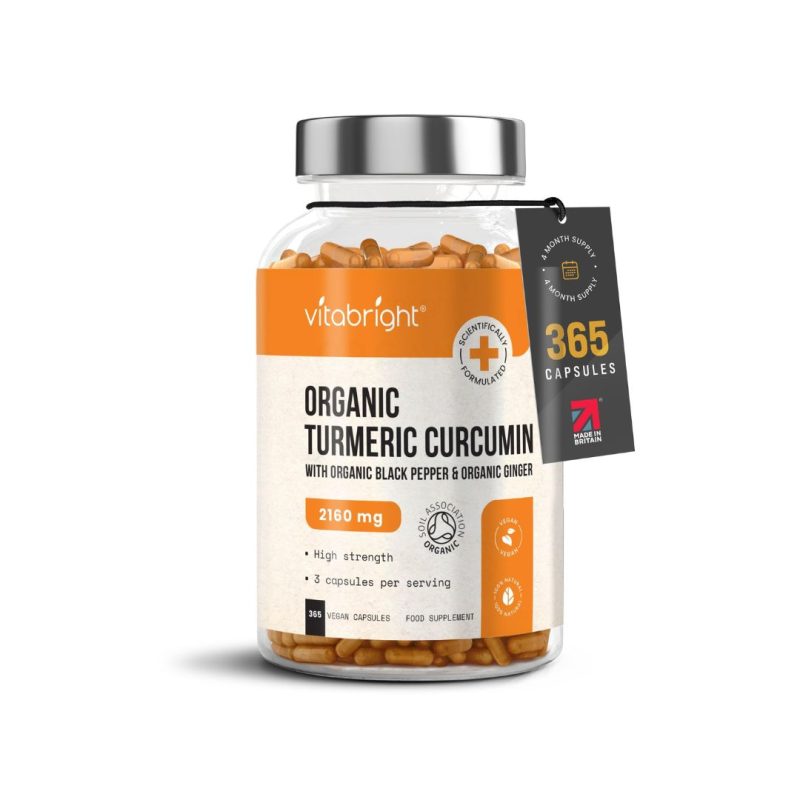
Curcumin (Turmeric Extract)
A natural compound derived from turmeric.
How it supports the body:
Often used in joint wellness routines
Supports the body’s natural inflammatory response
👉 Explore joint-support supplements at:
www.healthcave.co.ke
Common Questions About Arthritis
Q: Is osteoarthritis only for older people?
A: While more common with age, it can also affect younger individuals, especially after injuries.
Q: Can exercise make arthritis worse?
A: Gentle, low-impact movement is usually beneficial and helps maintain joint mobility.
Q: Do supplements work instantly?
A: Most supplements require consistent use over time as part of a broader routine.
Q: Can arthritis be managed naturally?
A: Many people use a combination of lifestyle habits and supportive nutrition to manage symptoms.
Arthritis, especially osteoarthritis, is a long-term condition — but it doesn’t mean giving up on movement or comfort. With the right support system, many people continue to live active, fulfilling lives.
👉 Support your joints with trusted wellness products from:
www.healthcave.co.ke
