
My boy only says “mama” and he’s 3 years 😣. Virtual Autism & Speech Delay: What Parents Should Know.
Apr
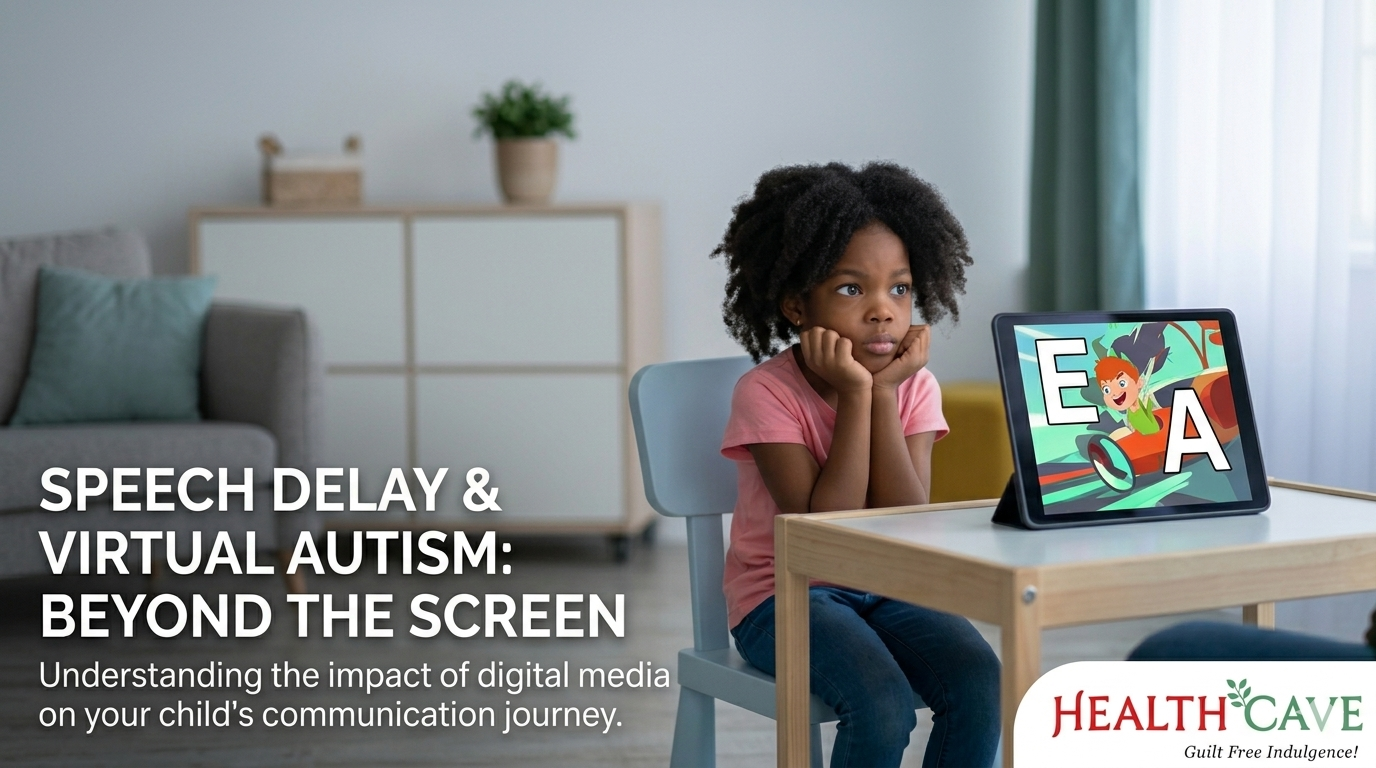
More parents today are noticing delays in speech, reduced eye contact, and limited social interaction in young children, especially in homes where screens have become part of daily life. While technology can be helpful, excessive early screen exposure has been linked to developmental delays, sometimes referred to as “virtual autism.”
Virtual autism isn’t a formal diagnosis, but a term often used to describe autism-like behaviors associated with prolonged screen time in early childhood. During the first few years of life, a child’s brain develops rapidly through interaction, play, and communication, not passive screen viewing.
The good news? With the right adjustments, many children show improvement over time. In this blog, we’ll explore how screens affect development, what signs to look out for, and simple ways parents can support their child’s growth, including nutrition and supplements. Let’s walk through it together.
How Early Screen Exposure Affects Development.
In early childhood (especially ages 0–3), the brain develops through real-life interaction, not screens.
Excessive screen time may:
- Reduce eye contact and social interaction
- Limit opportunities for speech and language development
- Affect attention span and focus
- Replace active play and exploration
Young children learn by:
- Watching facial expressions
- Listening and responding to voices
- Engaging in back-and-forth communication
Screens, even educational ones, cannot fully replace this type of engagement.
Common Signs of Speech Delay Linked to Screen Overuse.
Every child develops at their own pace, but some signs parents may notice include:
- Limited or delayed speech for their age
- Reduced response when called by name
- Poor eye contact
- Preference for screens over people
- Repetitive behaviors or reduced social interaction
Parent Insight: These signs don’t automatically mean a long-term condition, early support can make a big difference.
How Parents Can Help Their Child Catch Up
The goal is not perfection, it’s consistent, intentional interaction.
Here are simple, effective steps:
- Reduce or eliminate screen time, especially for younger children
- Increase face-to-face interaction (talking, singing, storytelling)
- Encourage play-based learning (blocks, puzzles, pretend play)
- Read aloud daily to build language exposure
- Respond and engage when your child communicates
Mama Tip: Even narrating daily activities like “Let’s wash hands” or “This is a spoon” helps build vocabulary naturally.
Lifestyle Changes That Support Development (H2)
Small daily habits can have a big impact:
- Create screen-free routines, especially during meals and before bed
- Prioritize outdoor play and movement
- Maintain consistent sleep schedules
- Encourage interaction with other children where possible
Consistency is key — progress may be gradual, but it adds up over time.
Supplements Commonly Used to Support Brain & Gut Health in KidS.
Alongside interaction and lifestyle changes, some parents choose supplements to support brain development, immunity, and gut health, which are all connected to overall development.
At Health Cave, these are commonly considered:

Lion’s Mane (Mushroom Extract)
What it is:
A natural mushroom extract often used in cognitive wellness.
How it supports the body:
- Commonly used in routines focused on cognitive support
- Supports brain function and nerve health

Omega-3 Fatty Acids
What it is:
Essential fats important for brain development.
How it supports the body:
- Supports attention and cognitive function
- Supports brain and nervous system development

Children’s Multivitamins
What they are:
A blend of essential vitamins and minerals.
How they support the body:
- Support overall growth and development
- Help fill nutritional gaps

Zinc (Kids)
What it is:
An essential mineral important for growth.
How it supports the body:
- Plays a role in brain and cognitive development
- Supports immune function

Probiotics
What they are:
Beneficial bacteria that support gut health.
How they support the body:
- Gut health is closely linked to brain and behavior through the gut-brain connection
- Support gut microbiome balance
Common Questions Parents Ask
Q: Can reducing screen time really help improve speech?
A: Many parents notice improvements when screen time is reduced and interaction increases.
Q: Is virtual autism permanent?
A: In many cases, early intervention and lifestyle changes can support noticeable improvement.
Q: Should I stop screens completely?
A: For younger children, reducing or eliminating screen time is often recommended.
Q: Do supplements replace therapy?
A: No. They are supportive tools alongside interaction and professional care if needed
Early childhood development is deeply influenced by connection, communication, and environment. While screens are part of modern life, balance is key, especially in the early years.
With patience, consistency, and the right support, many children can make meaningful progress.
👉 Support your child’s development with trusted wellness products at:
www.healthcave.co.ke
