
When “I’m Fine” Isn’t Fine
Sep
September is Suicide Prevention Month, and it gives us an important reason to talk about something many people have become very good at hiding.
“I’m fine.”
Sometimes it really means I’m fine.
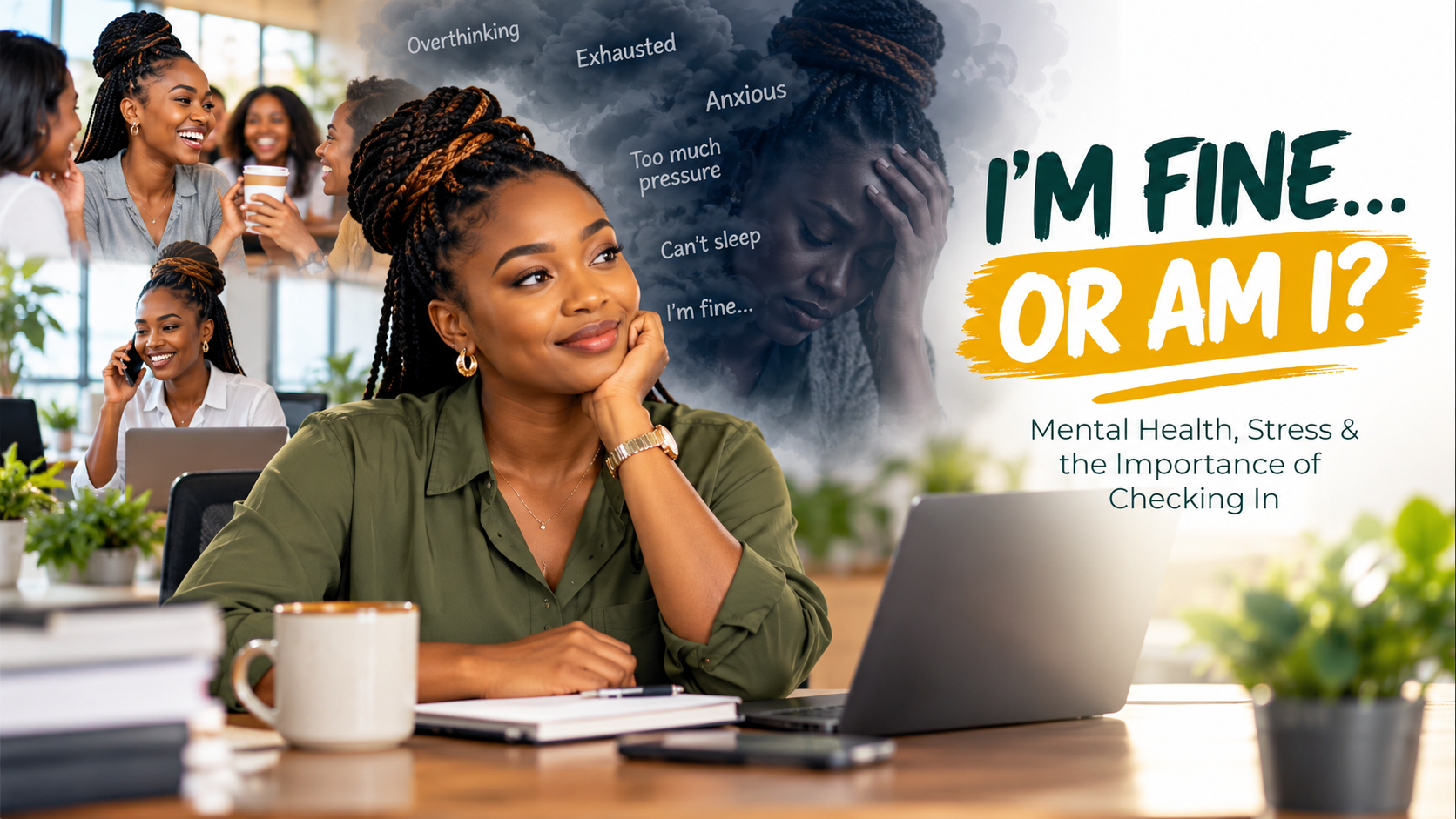
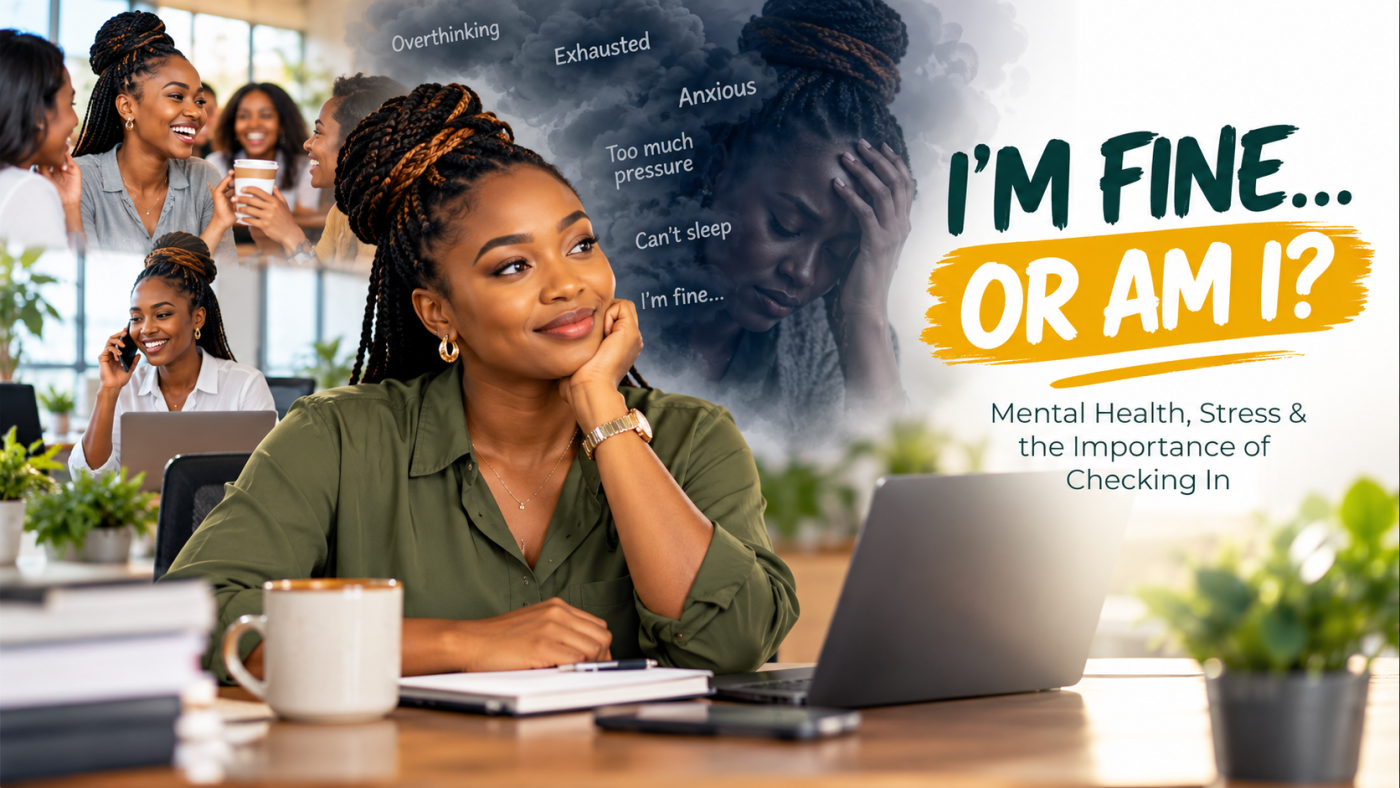
Other times it means: I’m exhausted. I’m overwhelmed. I haven’t been sleeping. My mind won’t switch off. I don’t know how to explain what I’m feeling.
And the difficult part? Someone can still go to work, laugh with friends, answer WhatsApp messages and take care of their family while struggling privately.
Stress or Something More?
Stress is part of life. Deadlines, finances, relationships, parenting, work and uncertainty can all leave us mentally drained.
But pay attention when changes become persistent, such as feeling hopeless or unusually withdrawn, losing interest in things you normally enjoy, major changes in sleep or appetite, difficulty concentrating, or struggling to manage everyday responsibilities.
You don’t need to wait until things become unbearable before talking to someone.
And sometimes the most useful question we can ask another person isn’t simply “Are you okay?”
It’s: “How are you, really?”
Supporting Your Mind Starts With the Basics
Mental wellbeing isn’t built from one supplement or one perfect morning routine.
Sleep, regular meals, physical activity, time outdoors, supportive relationships and reducing alcohol or other substances can all form part of looking after yourself.
And when you’re struggling, speaking with a qualified mental-health professional can be far more important than trying to fix everything alone.
What About Supplements?
Some nutritional and herbal supplements are commonly used to support relaxation, stress management or cognitive wellbeing. They’re not treatments for depression, anxiety disorders or suicidal thoughts, and evidence varies considerably between ingredients and products.
Here are five you may come across:
1. Ashwagandha: Stress Support.
Ashwagandha is an herb traditionally used in Ayurvedic medicine. Some clinical research suggests certain standardized extracts may help reduce perceived stress and anxiety.
Think of it as potential stress-support, not a substitute for mental-health treatment.
2. L-Theanine: Relaxation
L-theanine is an amino acid naturally found in tea.
Research has investigated it for stress, relaxation and attention. A recent review found modest effects in some areas, while results weren’t consistent across all outcomes.
It can therefore fit into a broader relaxation routine.
3. Lion’s Mane: Cognitive Wellbeing
You’ve probably seen this mushroom everywhere lately.
Lion’s mane has attracted interest for memory, concentration and cognitive wellbeing.
4. Brahmi: Memory & Focus
Brahmi (Bacopa monnieri) has a long history of traditional use and is commonly marketed for memory and concentration.
Modern research continues to investigate its potential effects on cognition.
It’s better thought of as a cognitive-support supplement than something that treats mental-health conditions.
5. Ginkgo Biloba: Cognitive Support
Ginkgo is another popular ingredient in memory and cognitive supplements.
Health Cave Tip: If you take medication, are pregnant/breastfeeding, or have an existing health condition, check with a qualified healthcare professional before using herbal supplements.
When It’s More Than Stress
Comments such as “everyone would be better without me,” “there’s no point anymore,” or talking about wanting to d*e should be taken seriously.
If you’re worried about somebody, ask them directly how they’re doing, listen without judgment and help them connect with professional support. If someone may be in immediate danger, don’t leave them alone, seek urgent medical/emergency assistance or get them to the nearest emergency department.
Frequently Asked Questions
Can stress affect my sleep?
Yes. Stress can make it difficult to fall asleep, stay asleep or feel rested, and poor sleep can make coping with stress more difficult.
Which supplement is best for stress?
There isn’t one universal choice. Your symptoms, medications, diet and health history matter.
How do I check on someone I’m worried about?
Choose a private moment, tell them you’ve noticed they haven’t seemed themselves, ask how they’re really doing and listen. You don’t have to solve everything for them.
When should I seek professional help?
If distress is persistent, interfering with daily life, worsening, or you’re worried about your safety or someone else’s, seek professional support rather than waiting for things to become severe.
You Don’t Have to Struggle Quietly
Looking okay and feeling okay are two very different things.
This Suicide Prevention Month, check on the friend who has gone quiet. Check on the colleague who always says they’re fine. Check on the person who is usually the strong one.
And remember to check on yourself too.
Supporting Your Everyday Wellbeing
For guidance on supplements for relaxation, stress support and cognitive wellbeing, visit Health Cave, Gateway Mall – Syokimau (Mombasa Road).
Inspiring a healthy lifestyle.
This article is for general educational purposes and does not replace professional mental-health or medical care. Supplements are not treatments for suicidal thoughts or mental-health disorders.
