
Insulin Resistance: The Silent Path to Type 2 Diabetes.
Have you ever wondered why weight gain, constant cravings, or stubborn belly fat seem to appear even when you’re trying to eat better? For many people, the issue isn’t willpower, it’s insulin resistance. This quiet metabolic imbalance can develop for years without obvious symptoms, yet it plays a major role in how the body handles sugar and stores fat.

Insulin resistance happens when the body stops responding efficiently to insulin, a hormone responsible for moving glucose from the bloodstream into cells for energy. Over time, this can lead to elevated blood sugar levels and increased strain on the pancreas. Understanding insulin resistance early can help you make more informed lifestyle choices before bigger health challenges arise.
Let’s dive in and break it down simply.
What Is Insulin Resistance and Why Does It Matter?
You might think insulin resistance only affects people who consume a lot of sugar — but it’s more complex than that.
Insulin resistance occurs when body cells (especially muscle, fat, and liver cells) don’t respond well to insulin. As a result:
- Glucose stays in the bloodstream longer
- The pancreas releases more insulin to compensate
- Energy isn’t used efficiently
Over time, this cycle can create:
- Increased hunger and cravings
- Fat storage, especially around the abdomen
- Energy crashes after meals
Many people live with insulin resistance for years without knowing it.
How Insulin Resistance Can Progress Toward Type 2 Diabetes (H2)
When insulin resistance continues unchecked, the pancreas works overtime trying to produce more insulin. Eventually, it may struggle to keep up with the body’s demands.
Here’s how the progression often looks:
- Cells respond poorly to insulin
- Blood sugar levels rise gradually
- Insulin production increases to compensate
- Blood sugar control becomes less stable over time
Nutrition Tip: Balanced meals that combine fiber, protein, and healthy fats can help slow glucose absorption and support steady energy levels.
Lifestyle Factors That Influence Insulin Sensitivity
Several everyday habits can influence how sensitive your body is to insulin:
- Frequent intake of highly processed carbohydrates
- Long periods of physical inactivity
- Chronic stress and poor sleep quality
- Excess body fat, especially around the waist
Small, consistent adjustments such as moving more during the day or improving meal balance — can make a meaningful difference over time.
“I didn’t realize how much my daily food choices affected my energy until I learned about insulin resistance.” – Health Cave Community Member
Supplements That Support Healthy Insulin Balance (H2)
While lifestyle habits like balanced meals, movement, and quality sleep form the foundation of metabolic health, some supplements are commonly used to support normal blood sugar metabolism and insulin function as part of a healthy routine.
At Health Cave, these options are often chosen to complement mindful nutrition and daily wellness habits:

Alpha Lipoic Acid (ALA)
A powerful antioxidant involved in energy metabolism and commonly used to support cellular health.

Omega-3 Fatty Acids
Known for supporting heart health and healthy inflammatory responses, which are closely linked to metabolic function.
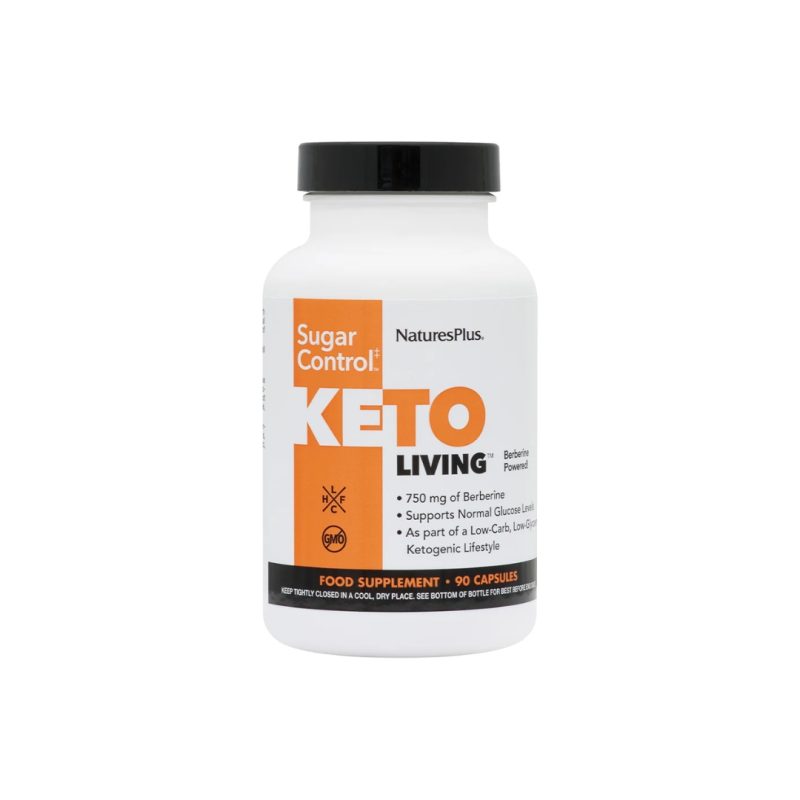
KetoLiving Formulas
Designed to support low-carb or keto-style lifestyles, helping the body adapt to more stable energy use when paired with appropriate nutrition.

Berberine
A plant-based compound traditionally used to support glucose metabolism and overall metabolic balance.
Wellness Tip: Supplements work best when combined with balanced meals, regular movement, and consistency, they’re not a replacement for healthy habits.
