Confused about which Omega 3 supplement to take? Lets sort you out.
Apr
Why We’re Falling Short: The Omega Balance
In our modern world, most diets are heavily weighted toward Omega-6 fatty acids, thanks to an abundance of refined oils, processed foods, and fried snacks. This creates a nutritional “tilt” that leaves us deficient in Omega-3.
When your body lacks sufficient Omega-3, you might experience:
- Dry skin and eyes
- Joint pain
- Chronic inflammation
- Mood swings
- Declining heart and brain health
Food Sources vs. Supplements
While a balanced diet should include plant-based sources like walnuts, flax seeds, chia seeds, and hemp seeds, there is a catch. These foods contain ALA (Alpha-linolenic acid). While healthy, the human body is notoriously inefficient at converting ALA into the two forms of Omega-3 it actually needs: EPA and DHA.
What to Look For:
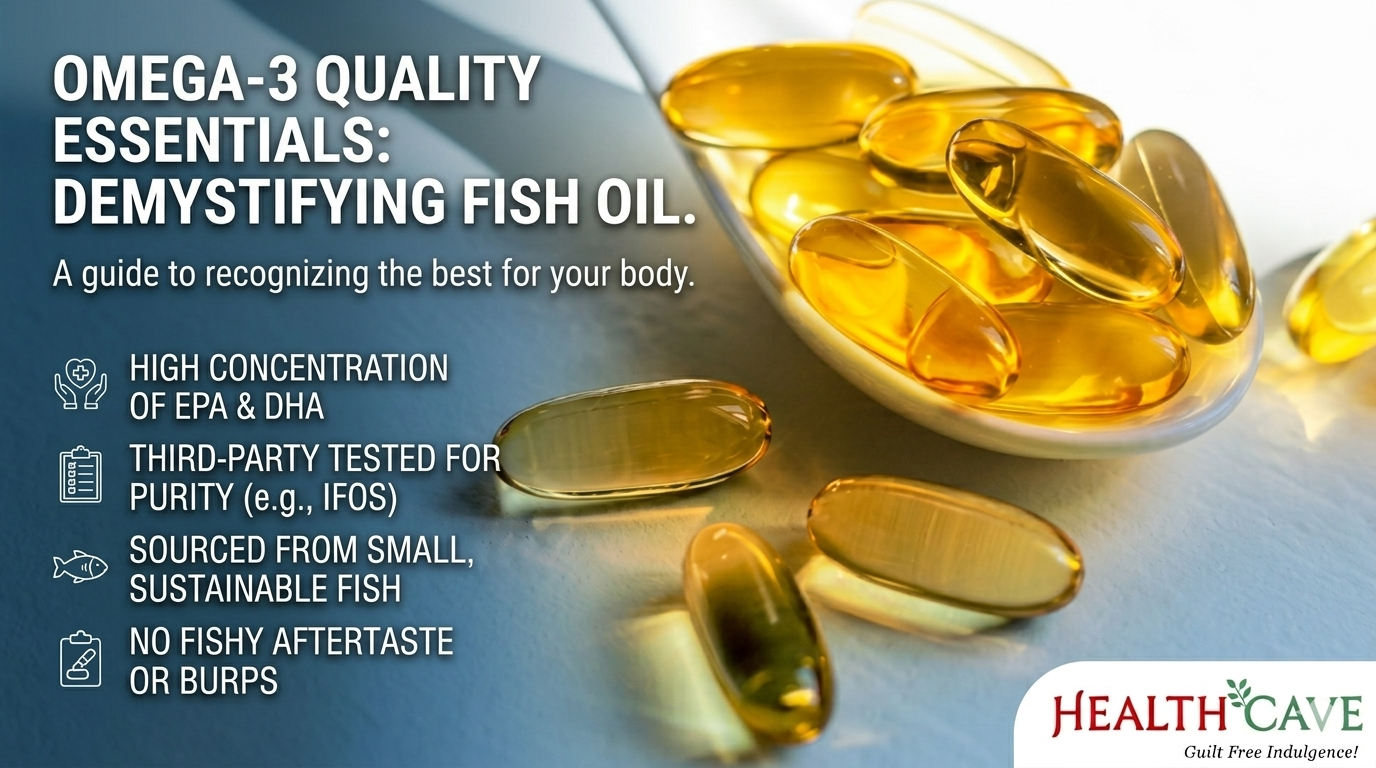
Don’t just grab a bottle that says “Omega-3.” You need to check the label for two specific components:
- EPA: Essential for managing inflammation, supporting heart health, and stabilizing mood.
- DHA: Vital for brain function, skin health, eye health, and hormonal balance.
Recommended Dosage
- General Wellness: 500–1,000 mg/day of combined EPA + DHA.
- Specific Needs: (Inflammation, pregnancy, heart issues) Up to 2,000–3,000 mg/day.Note: Always consult a health professional before taking high-dose supplements.
Choosing Your Supplement Type
Not all oils are created equal. Here is a breakdown of the most common types and their drawbacks:
| Type | Potential Cons/Drawbacks |
| Fish Oil | May contain toxins if not purified; fishy aftertaste; not vegan. |
| Krill Oil | Expensive; not vegan (shellfish allergy risk); environmental concerns. |
| Cod Liver Oil | Risk of Vitamin A/D overdose; strong taste; not vegan. |
| Algal Oil | Slightly costlier; some brands have low EPA content. (Vegan-friendly!) |
| Flaxseed Oil | Only contains ALA (poorly converted); fishy aftertaste. |
How to Maximize Benefits
To get the most out of your supplement, timing is key. Take your Omega-3 with your main meal (lunch or dinner).
- Better Absorption: Omega-3 is fat-soluble, so it needs healthy fats in your meal to be absorbed.
- Fewer Side Effects: Taking it with food reduces “fishy burps.”
- Sleep Support: An evening dose may even support better sleep quality.
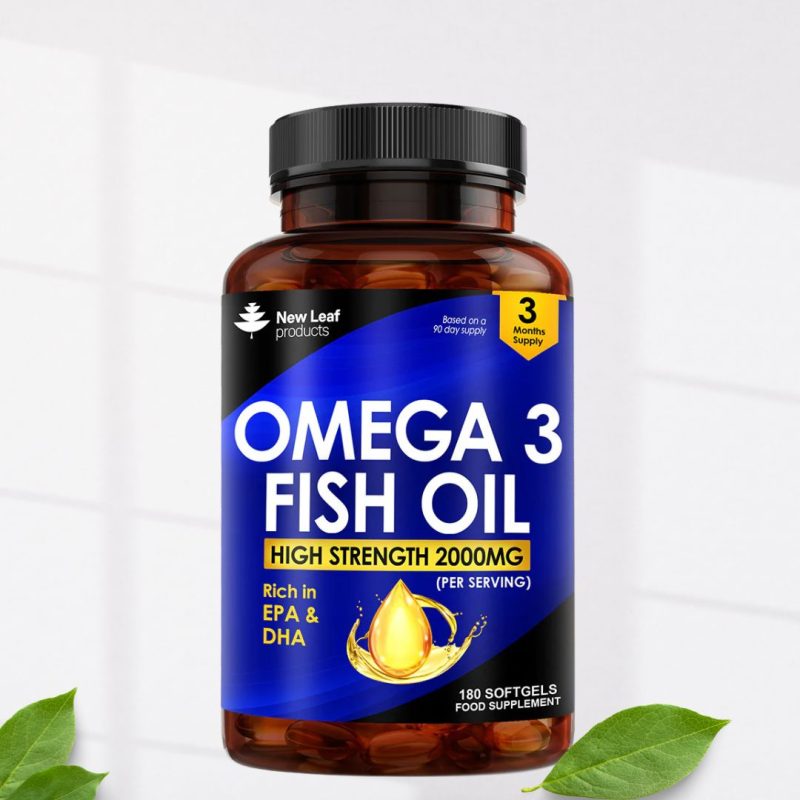
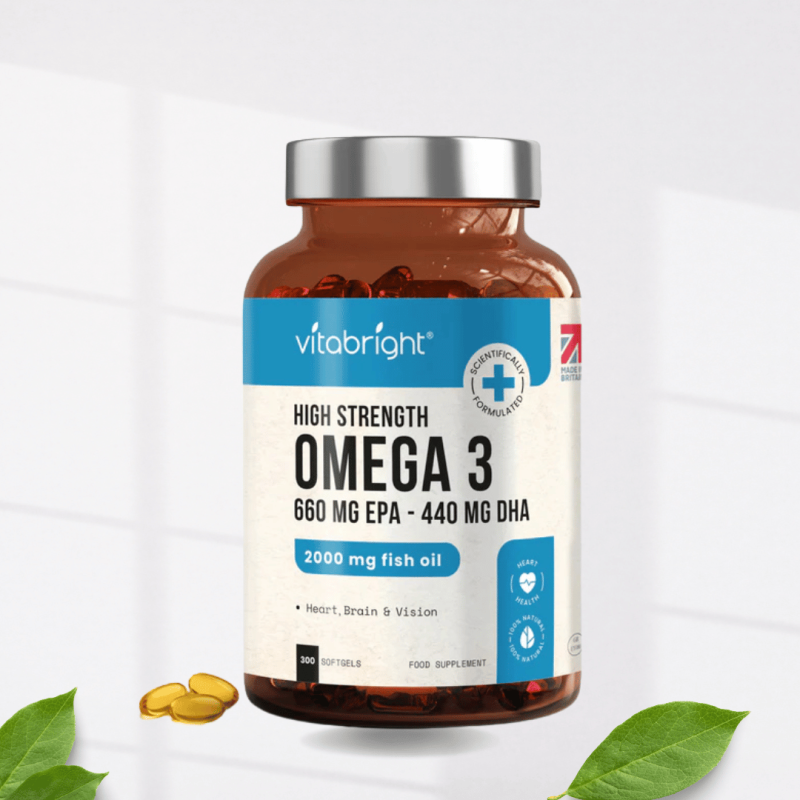
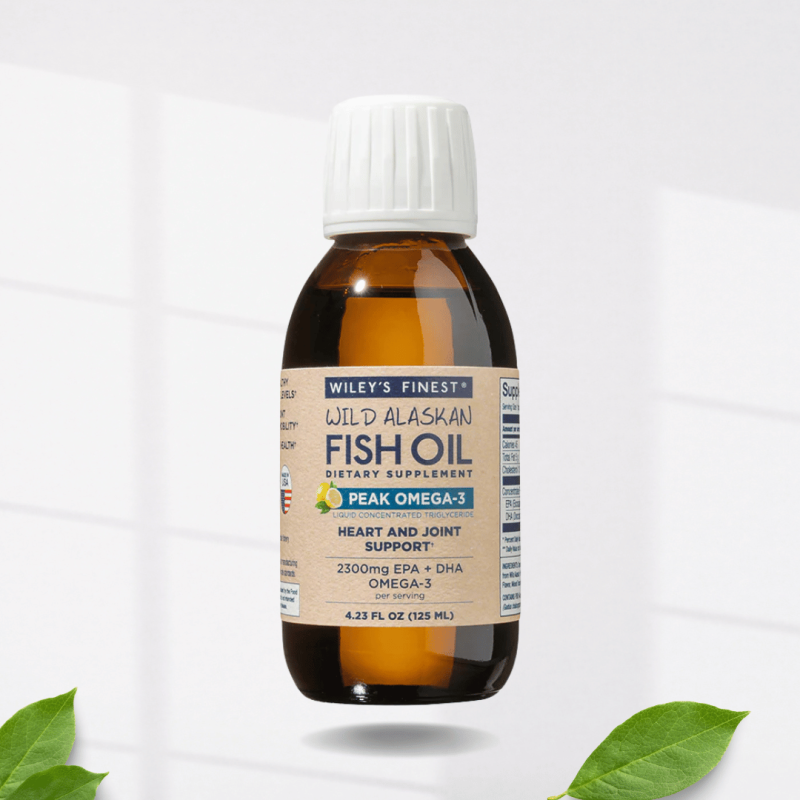
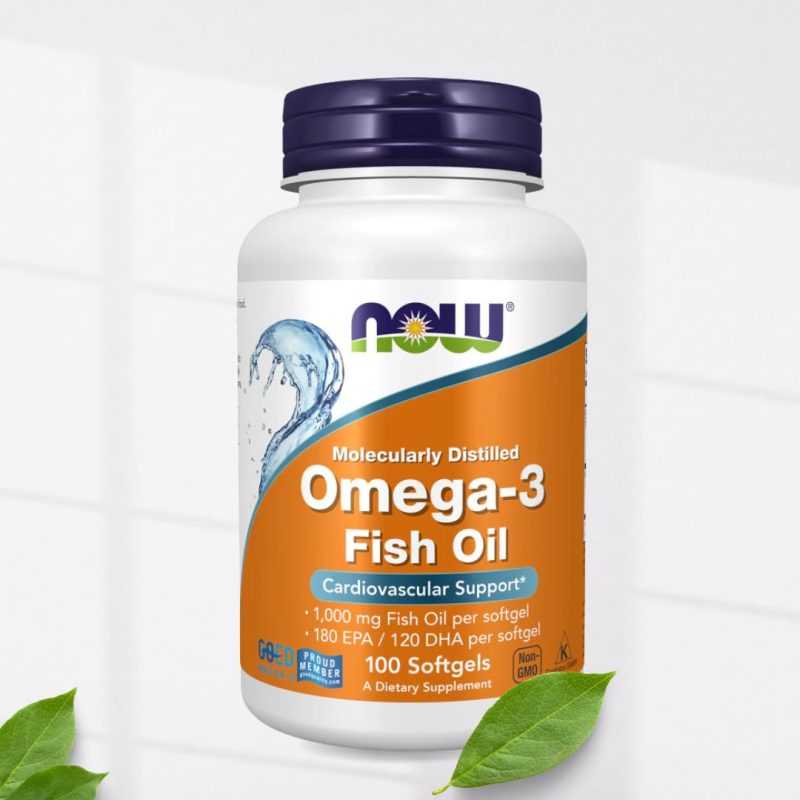
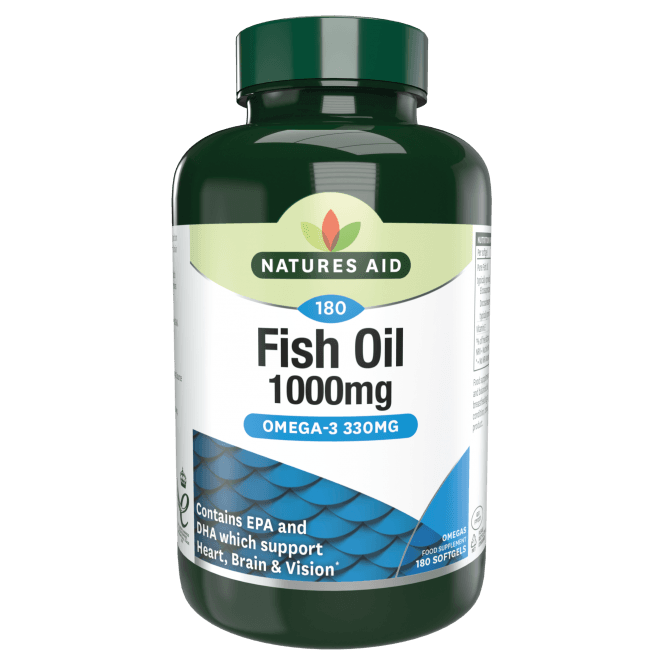
Here are the OMEGA 3 options we have here at Health Cave: