
3 Years Old and Still Can’t Talk Properly? Learn The Signs Of Speech Delay in toddlers and Catch Them Early
Your 2-year-old points at his toys but says nothing. Or the neighbor’s kid chats nonstop while yours babbles “ba-ba” only. You ask yourself, “Is this normal?”.
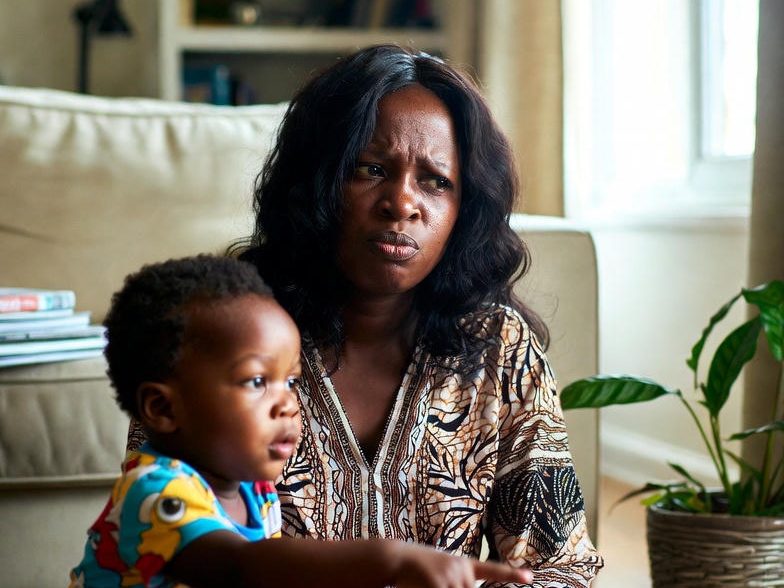
Many parents ask, “Is my child just a late talker or is something wrong?”
Here’s the simple truth: speech delay means a child is developing speech and language skills slower than expected for their age. 1 in 8 Kenyan toddlers shows speech delay signs as early as 12 to 18 months.
You might think your child will “grow out of it,” but early detection is far better than waiting.
In this post, you’ll learn the top red flags by age, and safe supplements to boost brain connections. Let’s dive in…
Common signs include:
• Not saying single words by 18 months
• Using fewer than 20-50 words by age 2
• Not combining two words by age 2½
• Struggling to follow simple instructions
• Preferring gestures over words
• Little or unclear speech after age 3
🚨 Top 7 Early Red Flags (By Age)
Lets make a checklist age wise so you can cross check your child’s speech progress.
| Age | Normal Milestone | Red Flag | Example |
| 12 months | Says “mama,” “baba,” or 1–2 words | No babbling, no pointing | Baby only cries for milk—no “ta-ta” for ugali. |
| 18 months | 10–20 words, copies sounds | Less than 6 words, no gestures | Doesn’t say “bye” when daddy leaves for work. |
| 24 months | 50+ words, 2-word phrases (“more banana”) | Less than 20 words, no combining | Still points at chapati instead of “eat chapati.” |
| 30 months | Asks “what’s that?” | Repeats TV ads only (echolalia) | Says “Safaricom tune” but not “I want water.” |
| 3 years | 200+ words, short sentences | Unclear speech to strangers | Grandma in shags can’t understand “I see cow.” |
| 4 years | Tells simple stories | Stutters badly when excited | Freezes during Sunday school recitation. |
| Any age | Responds to name, follows 1-step commands | Ignores “come here” even in quiet room | Doesn’t turn when you call from kitchen. |
What Causes Speech Delay in Kids?
- Diet and Nutrient Deficiencies
Children on poor diets, picky eaters, or kids who rarely eat eggs, fish, meat, or fortified foods are at higher risk.
Speech development is strongly linked to brain nutrition. When a child lacks key nutrients, especially Omega-3 (DHA), iron, zinc, and vitamin B12, the brain cannot develop speech and language skills at the right pace. These deficiencies can lead to:
- slower brain development
- poor concentration
- delayed speech
- reduced memory and learning
A child can be full but nutritionally underfed, which directly affects how quickly they start talking.
2. Imbalanced Gut (Gut–Brain Connection).
Many parents don’t realize the gut affects speech, but science proves it.
The gut and brain communicate constantly through:
- the vagus nerve
- neurotransmitters
- the microbiome
An imbalanced gut (from infections, antibiotics, or poor diet) can lead to:
- irritability
- slow cognitive processing
- delayed speech and language development
That’s why probiotics and better diet often improve speech significantly
3. Screen Time
Too much screen time is one of the leading modern causes of speech delay and linked with virtual autism. Kids learn to talk by watching faces, hearing real voices, and interacting, not by watching screens. When a child spends long hours on phones or TV:
- they get less human interaction
- their attention span weakens
- they practice fewer words
- social skills like eye contact and turn-taking reduce
Even background TV can slow language development.
For healthy speech: under 2 years = no screens, and 2–5 years = max 20 minutes/day, with adult interaction.
4. Bilingual or Multilingual Households
Growing up in a home with two or more languages is a blessing, but it can sometimes slow early speech. Why?
- The child is trying to process and differentiate between multiple languages.
- They may mix words or take longer before confidently using either language.
Important note:
Bilingual children eventually catch up and often surpass monolingual kids in language skills.
It’s a delay, not a disorder.
5. Other factors include:

•	Neurological conditions like autism and ADHD
•	Limited social interaction or stimulation
•	Hearing problems
Mama Hack: Swap 1 cartoon for picture books sessions
What can I give my child to help him with speech development?
If you’ve tried talking more, reading more, and reducing screen time but still feel your child needs extra support, you’re not alone. Sometimes the brain simply needs more of the nutrients that boost focus, memory, and language development. That’s where the right supplements, that are safe, child-friendly, and scientifically backed come in to help fill the nutritional gaps holding your child back.


OMEGA 3
Multiple studies show that children with speech delay or late talking often have significantly lower blood levels of DHA. Supplementing with a high-DHA fish oil (or algae oil for vegetarian families) during pregnancy, breastfeeding, and early childhood has been linked to earlier first words, larger vocabularies by age 2, and better expressive language scores. Look for 500–1000 mg combined EPA+DHA daily for toddlers and preschoolers (check age-appropriate liquid or gummy forms with third-party purity testing).
ZINC
Research consistently finds zinc deficiency in children with delayed speech, and randomized trials show that 3–6 months of supplementation (typically 5–15 mg elemental zinc daily, depending on age) can accelerate vocabulary growth and improve articulation clarity, especially when baseline levels are low. Choose zinc picolinate or bisglycinate for best absorption and pair with food to avoid nausea.

Zinc

Magnesium
Magnesium calms overactive NMDA receptors in the brain, reducing neural “noise” and helping children sustain attention during conversations and language-learning moments. Low magnesium is common in tantrums, poor sleep, and sensory overload, issues that often overlap with speech delays. Forms like magnesium glycinate or citrate (100–250 mg elemental magnesium daily, taken in the evening) improve focus, reduce frustration-driven meltdowns, and support better sleep, creating a calmer environment for language practice. Parents often notice fewer outbursts and longer attention to books or speech therapy within 2–4 weeks.
PROBIOTICS
Up to 70 % of children with speech delay also struggle with chronic constipation, reflux, or food sensitivities, which are signs of gut imbalances. Restoring balance with a multi-strain probiotic especially Lactobacillus has been shown to reduce gastrointestinal symptoms and, in several small studies, improve social communication and expressive language scores. Choose a shelf-stable product with at least 5–10 billion CFU designed for kids.


MULTIVITAMINS
Picky eaters or carb-heavy diets often leave children short on key language-supporting nutrients: iron, zinc, B-vitamins, vitamin D, and iodine. A high-quality children’s multivitamin acts as nutritional insurance, filling common gaps without big doses. Look for one with methylated B-vitamins, zinc, and vitamin D3. While it won’t single-handedly fix speech delay, it removes hidden deficiencies that quietly slow progress and gives every other targeted supplement a better chance to work.
Vitamin B12 + B6
Vitamin B12 and B6 are essential for myelin formation (the insulation around nerves) and the synthesis of neurotransmitters like serotonin and dopamine that regulate mood, attention, and speech planning. Deficiencies, common in vegetarian/vegan families or children with poor gut absorption are strongly linked to delayed speech and developmental coordination issues. Supplementing with active forms daily often brings noticeable gains in clarity, sentence length, and willingness to communicate within weeks, especially when blood levels were low to begin with.
Mama Hack (Nutritionist Tip)
Pairing Omega-3 + Probiotics + ZINC + Magnesium creates a strong foundation for language development because both support the brain from different angles.
Real Kenyan Mamas Swear by This Combo
“My son, 3 years old, used to say 4 words only. I got added Omega 3 + probiotics + Magnesium combo from healthcave and in 3 months… he already started saying ‘Mum nipee uji!’” – Mama Joy, Estate Life
Supplements bridge the gap, between therapy and language learning.
Shop Speech Support Kit now – because every word counts! healthcave.co.ke/speech-kit
FAQs on Speech Delay Signs
Q: What age should I start worrying about speech delay?
A: If your child isn’t using words by 18 months, getassessed. Like we usually say early detection makes it easier to resolve any delays in regards to speech and language.
Q: Is speech delay the same as autism?
A: No. Autism may include speech delay, but speech delay alone does NOT mean autism.
Q: Can too much screen time delay speech?
A: Yes. Excessive screen time affects language development, focus, and social interaction.
Q: Does speech delay go away on its own?
A: Some late talkers catch up, but many need support. Early action is best.
Q: Should I wait until age 3?
A: No, the earlier you act, the faster the improvement.
Catch Speech Delay Early: Your Child’s Voice Starts Today
Ready for first words? Grab the kit + free nutritionist chat. DM @HealthCaveKE or shop www.healthcave.co.ke HealthCave Wellness 📍 Nairobi | 🚚 Nationwide
